Get Carpenter Ant Extermination
Local contractors offer carpenter ant extermination services to eliminate infestations and protect homes from structural damage caused by these pests.
Carpenter ants can pose a significant threat to the structural integrity of a property if left unaddressed. Property owners in the area may find it beneficial to explore extermination options to protect their investments and prevent potential damage. Whether planning a renovation, repairing existing woodwork, or simply aiming to maintain a safe and stable environment, understanding local service providers can help in making informed decisions about pest management solutions.
Finding experienced contractors who specialize in carpenter ant extermination can streamline the process of safeguarding a property. Comparing local options allows property owners to evaluate the services available and select the right professionals for their specific needs. Continuing to explore these options can lead to effective solutions for controlling ant infestations and maintaining the property's condition.
- Carpenter Ant Extermination - needed when homeowners notice wood damage or discover ant activity inside their property.
- Carpenter Ant Inspection - required when there are signs of possible infestation but no visible ants.
- Carpenter Ant Treatment - necessary to eliminate active colonies and prevent further structural damage.
- Carpenter Ant Prevention - important for property owners seeking to reduce the risk of future infestations.
- Carpenter Ant Damage Repair - needed when wood has been compromised and structural integrity is at risk.
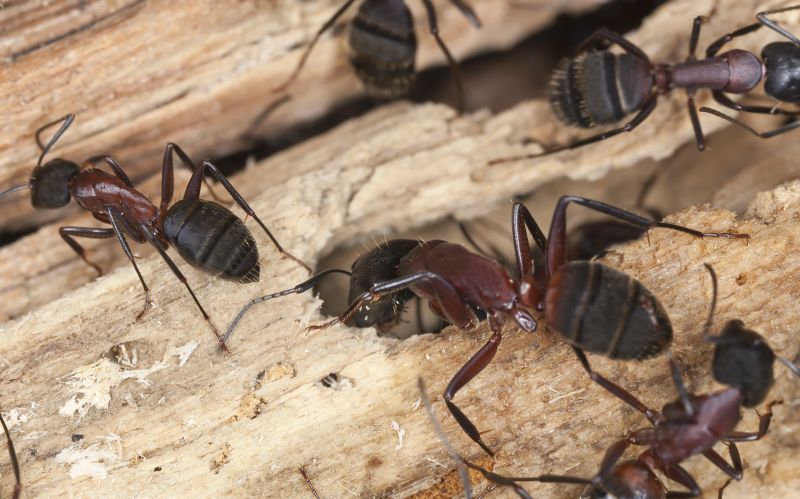
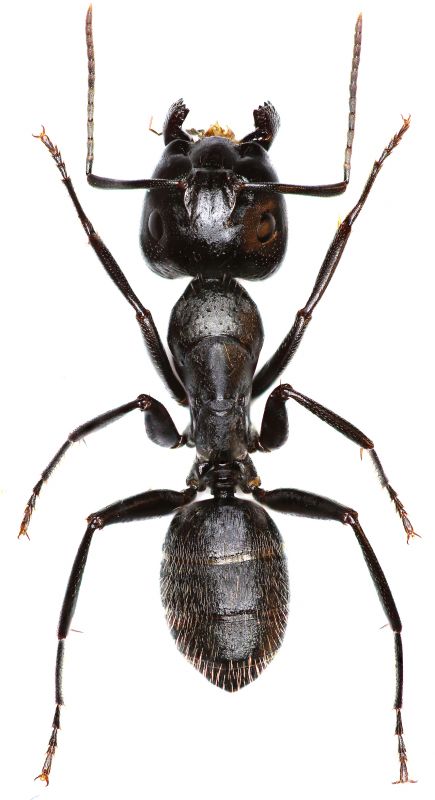
Carpenter ant extermination services involve identifying and removing these wood-damaging pests from residential or commercial properties. Trained service providers typically conduct thorough inspections to locate active ant colonies and assess the extent of the infestation. The process may include targeted treatments using specialized baits and insecticides designed to eliminate ants at their source. Effective extermination not only reduces the immediate nuisance but also helps prevent further structural damage caused by these ants tunneling through wood and other building materials.
Carpenter ants are known for their ability to hollow out wood structures, which can lead to significant damage over time if left untreated. They often invade properties that have moisture issues, decayed wood, or areas where wood is in contact with soil. Common signs of an infestation include the presence of large, black or reddish ants, wood that sounds hollow when tapped, and the discovery of sawdust-like debris near wooden structures. Addressing a carpenter ant problem promptly can help protect the integrity of the building and avoid costly repairs.
These services are frequently used in a variety of property types, including single-family homes, apartment complexes, office buildings, and historic structures. Homes with older or damaged wood are particularly vulnerable, especially if there are moisture problems or wood that has been exposed to the elements. Commercial properties, especially those with wooden fixtures or framing, may also require carpenter ant extermination to maintain safety and prevent structural issues. Property owners who notice signs of ant activity or suspect an infestation should consider professional treatment to effectively eliminate the problem.
When considering carpenter ant extermination, property owners should look for local service providers experienced in handling wood-damaging insects. These professionals typically perform detailed inspections, recommend appropriate treatment methods, and provide guidance on preventing future infestations. Recognizing the early signs of an infestation and acting quickly can help protect the structural integrity of the property and reduce the risk of ongoing damage. Connecting with trusted local contractors ensures that effective, tailored solutions are available to address carpenter ant problems efficiently.
The overview below groups typical Carpenter Ant Extermination projects into broad ranges so you can see how smaller, mid-sized, and larger jobs often compare in your area.
In many markets, a large share of routine jobs stays in the lower and middle ranges, while only a smaller percentage of projects moves into the highest bands when the work is more complex or site conditions are harder than average.
Small infestations - Treating minor carpenter ant problems typically costs between $250 and $600. Many routine inspections and localized treatments fall within this range, making it a common project size for local contractors.
Moderate infestations - Larger, more widespread ant colonies often require comprehensive treatments that can range from $600 to $1,200. These projects are more frequent when multiple areas are affected or the infestation has been ongoing.
Structural repairs - When carpenter ants cause wood damage requiring repairs or replacement, costs can vary from $1,200 to $3,500 or more. Such projects are less common but necessary for extensive structural issues.
Full property extermination - Complete eradication of carpenter ants across an entire property, especially in complex or heavily infested buildings, can reach $3,500 to $5,000+. These larger projects are less typical but essential for severe infestations.
Actual totals will depend on details like access to the work area, the scope of the project, and the materials selected, so use these as general starting points rather than exact figures.
Wood Damage Repair - Professionals skilled in repairing and restoring structures damaged by pests, similar to those experienced in carpenter ant infestations.
Termite Treatment - Local contractors who specialize in eliminating wood-boring insects often have overlapping techniques and tools used in carpenter ant extermination.
Structural Inspections - Experts who assess building integrity can identify signs of pest activity and recommend targeted extermination strategies.
Pest Prevention Consulting - Service providers offering advice on preventing future infestations utilize planning skills similar to those used in ant control projects.
Moisture Control Services - Addressing moisture issues that attract pests involves planning and tools comparable to those used in termite and ant prevention efforts.
Attic and Crawl Space Sealing - Sealing entry points in attics and crawl spaces helps prevent pest entry, requiring similar skills in planning and pest-proofing as ant extermination.
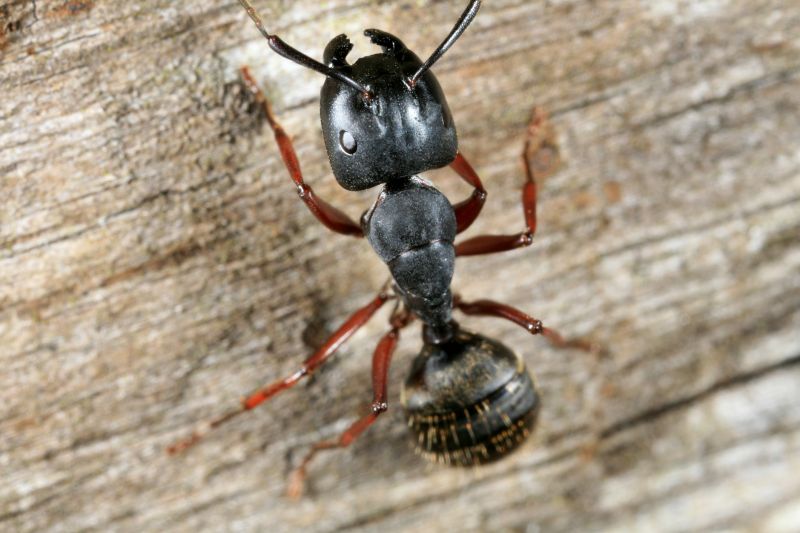
When comparing service providers for Carpenter Ant Extermination, it’s important to consider their experience with similar projects. Homeowners should look for local contractors who have a proven track record in effectively handling ant infestations, especially in environments comparable to their own homes. An experienced professional will understand the common challenges associated with carpenter ants and be better equipped to recommend appropriate treatment strategies, ensuring the job is done thoroughly and efficiently.
Clear, written expectations are essential to ensure both parties are aligned on the scope of work. Homeowners should seek out service providers who can provide detailed descriptions of the procedures they plan to use, what the treatment will entail, and any follow-up steps that might be necessary. Having this information in writing helps prevent misunderstandings and provides a transparent basis for evaluating the quality of the service once the work is completed.
Reputable references and effective communication are also key factors when choosing a local contractor. Homeowners are encouraged to ask for references from previous clients who have had similar ant problems, as this can offer insight into the contractor’s reliability and the results of their work. Additionally, good communication-whether through prompt responses, clarity in explanations, or openness to questions-can make the entire process smoother. It’s important to remember that this site introduces people to local service providers who can handle the work; it does not perform the extermination itself.
Property owners use Carpenter Ant Extermination services for practical projects around their homes and businesses. This guide focuses on everyday jobs and straightforward project options.
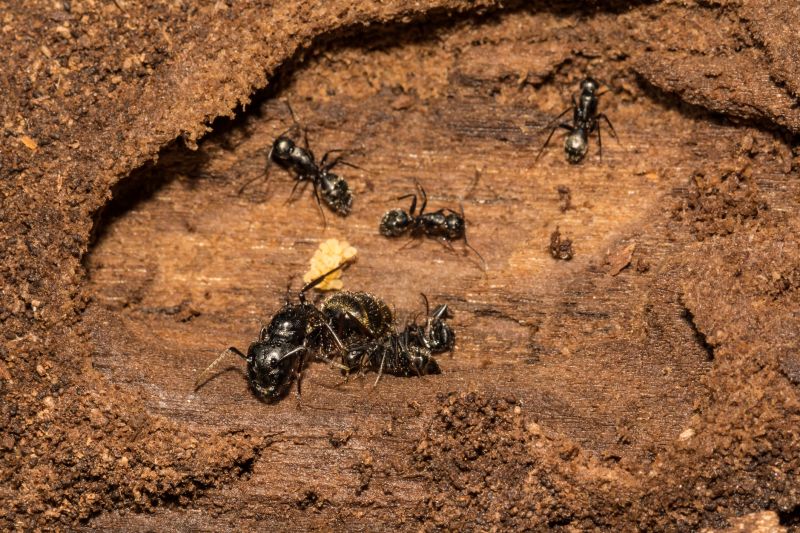
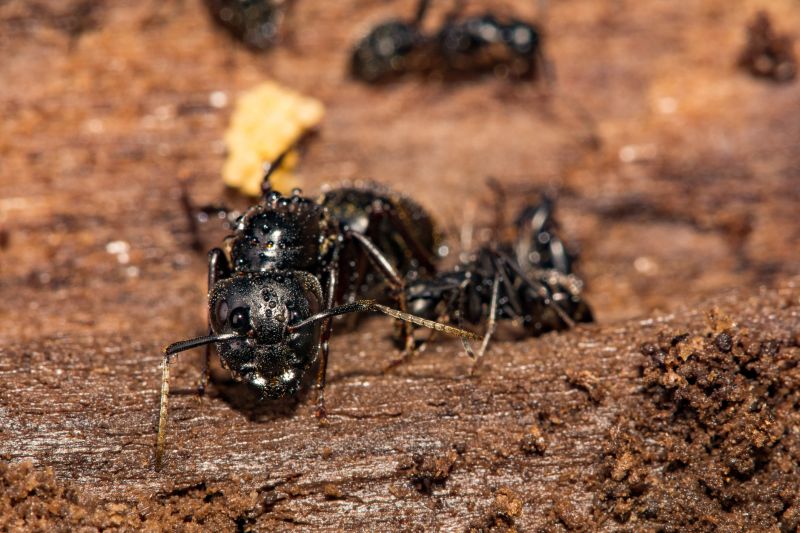
Carpenter ants can become a concern for property owners when they start to invade wooden structures, such as decks, siding, or insulation. These pests are often attracted to moisture and decaying wood, which can lead to damage if left unchecked. Homeowners and business owners might seek extermination services when they notice signs of ant activity, such as wood shavings, rustling sounds inside walls, or visible ants near foundation areas.
In many cases, property owners look for local contractors to handle carpenter ant problems after noticing an increase in ant activity or damage to wooden features. Whether it's a small infestation or a more widespread issue, local service providers can assess the situation and recommend appropriate extermination methods. Connecting with experienced professionals can help prevent further damage and restore peace of mind for those dealing with unwanted ant visitors.
What are carpenter ants, and why are they a problem? Carpenter ants are large ants that can cause structural damage by excavating wood. They often nest in moist or decayed wood, which can weaken building foundations if left untreated.
How do local contractors typically handle carpenter ant extermination? They usually perform inspections to identify nests, then apply targeted treatments to eliminate the colony and prevent future infestations.
Are there signs that indicate a carpenter ant infestation? Common signs include seeing large ants indoors, presence of wood shavings or sawdust, and rustling sounds within walls or wooden structures.
Can carpenter ant extermination services prevent future infestations? Yes, professional treatments often include recommendations for moisture control and structural repairs to reduce the likelihood of recurring problems.
What should I do before a contractor arrives for carpenter ant extermination? It's helpful to clear the area around infested wood and note any signs of activity to assist the local service providers in their assessment.
Identify ant activity early - Property owners can monitor for signs of carpenter ant activity around their home to catch infestations before they spread.
Schedule a thorough inspection - Local contractors can assess the property to determine the extent of the ant problem and recommend appropriate treatments.
Implement targeted extermination plans - Homeowners can work with service providers to develop and carry out effective removal strategies for carpenter ants.
Prevent future infestations - Property owners can take proactive steps with the help of local pros to reduce wood moisture and eliminate nesting sites around their property.
If you are thinking about Carpenter Ant Extermination for a property, this guide is meant to help you understand the work, the typical project types, and how different options might fit your plans.
When you are ready, you can use the quote form on this page to share a few details about your project. From there, local pros can review the basics and respond with options that match what you have in mind.